 Contact us:



Power transmission route
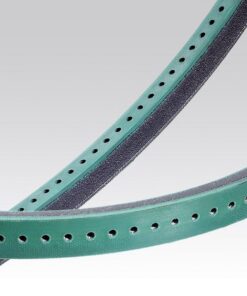
Composite construction with three different traction layers of material covered with NBR rubber (partially with elastomer or leather), with different textures on both sides of the surface, in asymmetric and symmetrical patterns.
Asymmetrical construction: Flat belts, TF series, and partially TCF.
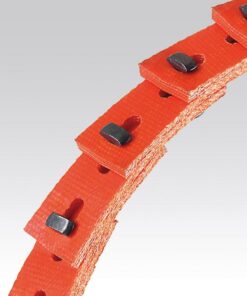
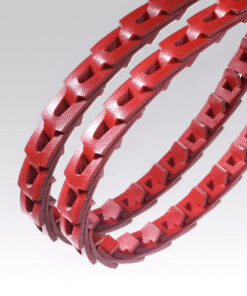
Symmetrical construction: Flat and transverse belts S, SP, CM, TC, and partially TF series.
Conveyor belt design
Habaset conveyor and processing belts are generally manufactured from various layers, with tensile strength provided by layers of synthetic fabric. These fabrics are bonded to layers of thermoplastic material in multi-layered or fabric-layered conveyor belts.
Conveyor belt design
Most heavy conveyor belts are produced with an interwoven or nonwoven “single ply” construction. The material, thickness and texture of the conveying side depend on the function of the belt.
Cover coatings are mainly made of thermoplastic materials like TPU, TPO, PVC, etc., and elastomer-like rubbers, PUR, etc. – or feature a fabric cover. The running side is usually a fabric, often impregnated with a thermoplastic material, or with special wear-resistant PUR that provides a low and constant coefficient of friction. There are also pulley-side fabrics that feature special low-noise running capabilities.